If you picture Southern California beach living, Manhattan Beach’s Sand Section is probably close to what comes to mind. You get the ocean nearby, a walkable daily routine, and a neighborhood pattern that feels different from most of Los Angeles. But living here is not just about a beach address. It also means understanding compact lots, parking realities, and coastal rules that shape what you can buy and what you can change. Let’s dive in.
What the Sand Section Means
The Sand Section is one of Manhattan Beach’s distinct neighborhoods within a compact city of about four square miles. The city has 2.1 miles of beachfront and a 928-foot pier, which helps explain why this area feels closely tied to the shoreline and public beach life.
In the city’s planning framework, the coastal area south of Rosecrans is Area District III, while the coastal area north of Rosecrans is Area District IV, also known as El Porto. For buyers, that matters because the Sand Section is not just a marketing label. It is part of a defined coastal area with its own physical layout and development context.
Why the Lifestyle Feels Different
The Sand Section stands out because daily life is built around moving on foot more than many other coastal Los Angeles neighborhoods. Manhattan Beach’s history points to streets and the Strand once being crossed by planks laid over sand, and that beach-town pattern still shows up today in how people use the area.
The city encourages people to walk, run, bike, skate, and skateboard on The Strand. That creates a daily rhythm that feels active and outdoorsy, even when you are just heading out for coffee or taking an evening walk.
Walkstreets Shape the Experience
One of the most recognizable parts of the Sand Section is the walkstreet pattern. The city defines walkstreets as east-west pedestrian-only public streets that connect neighborhoods to the beach and are lined by patios, gardens, and living spaces.
That design changes how blocks feel. Instead of homes fronted by broad driveways and cars, many streets emphasize people, outdoor space, and a stronger sense of connection between neighbors and the beach.
Downtown Adds Everyday Convenience
The Sand Section lifestyle also connects closely with Downtown Manhattan Beach. According to the official downtown directory, the area has more than 50 restaurants, cafes, delis, and coffee shops.
That means your beach lifestyle is not only about sand and surf. It can also include a short outing for dinner, coffee, or errands without needing to make it a major trip.
Weekly Routines Matter Here
The downtown area also hosts a Tuesday farmers market from 11 a.m. to 3 p.m. with more than 50 food vendors. That adds another neighborhood rhythm that supports the feeling of living in a place where outdoor public life is part of the week, not just the weekend.
Getting Around the Sand Section
The Sand Section can be more car-light than many parts of coastal LA, but it is not fully car-free. If you are comfortable walking or biking for shorter daily trips, the neighborhood can feel very convenient.
Transit is available through Beach Cities Line 109, which runs weekdays and weekends from 6:00 a.m. to 10:00 p.m. It serves the Manhattan Beach Pier, Downtown Manhattan Beach, Hermosa Beach Pier Avenue, Manhattan Village Mall, and the LAX City Bus Center.
That service can be useful, especially for certain trips, but most buyers should think of the Sand Section as walkable first, transit-supported second. It is not the same as living in a dense urban core where transit does most of the work.
What Homes Are Like
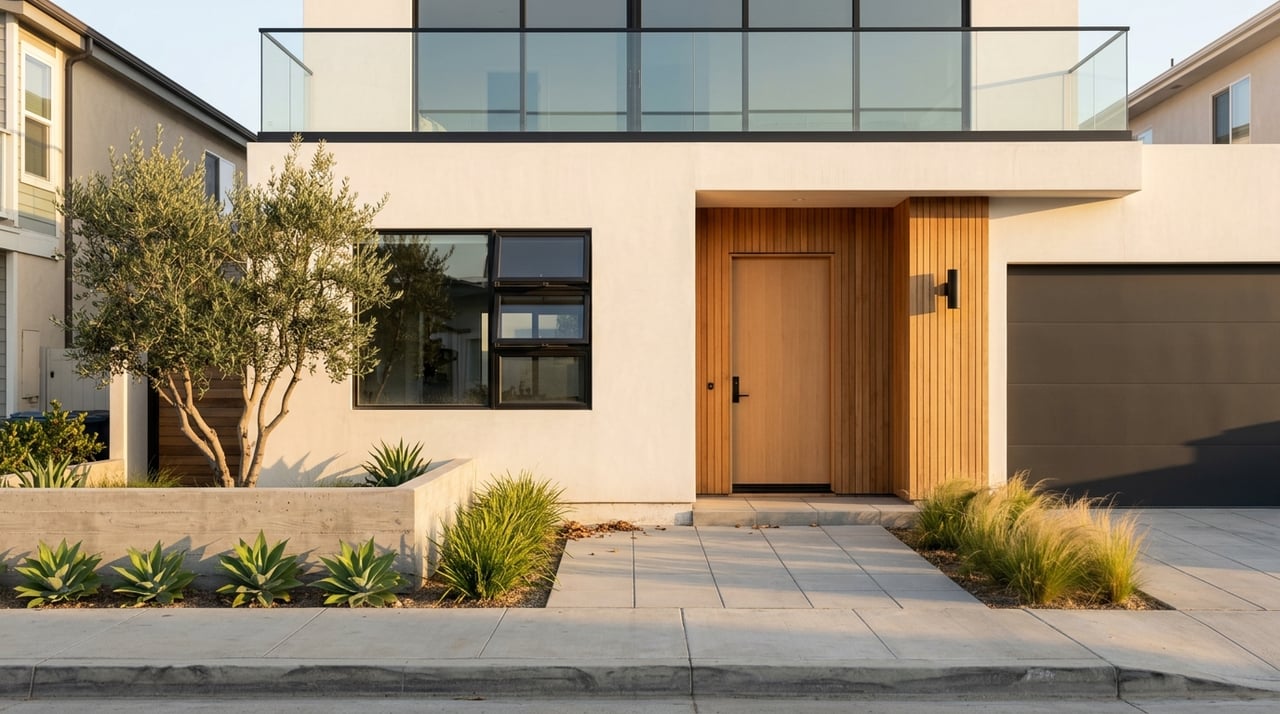
The Sand Section is a compact coastal district with tight lot standards and carefully managed development rules. That shapes everything from home design to outdoor space to parking.
The city’s housing element says lots in the coastal areas south and north of Rosecrans generally have a minimum size of 2,700 square feet, a minimum width of 30 feet, and a maximum size of 7,000 square feet. Required front and rear setbacks are only 5 feet.
That usually creates a very different feel from larger-lot neighborhoods inland. Homes often sit close to the street, and floor plans may build upward to capture space, light, and in some cases views.
Expect Smaller Outdoor Areas
Many buyers are surprised by how limited outdoor space can feel relative to the home price. On paper, beach living sounds expansive. In practice, small lots and shallow setbacks often mean patios, decks, and creative outdoor areas matter more than large yards.
This is one reason the design of the home matters so much in the Sand Section. Layout, light, privacy, and usable outdoor areas can have a major impact on how the property lives day to day.
Parking Is Built Into Design
Parking is not an afterthought here. The city requires two enclosed parking spaces for single-family homes up to 3,600 square feet and three enclosed spaces for homes over 3,600 square feet.
That tends to favor garages, alley access, and tightly planned sites instead of wide front driveways. For buyers, it is worth looking closely at how a property handles parking, storage, and access because those details affect daily convenience.
The Housing Mix Can Vary by Block
The city notes that Manhattan Beach has seen significant redevelopment while still retaining many older structures. In the Sand Section, that can translate into a mix of older beach cottages, remodeled homes, and newer custom rebuilds.
You may see meaningful differences from one block to the next. That is part of the neighborhood’s appeal, but it also means pricing and value can depend heavily on the exact location, lot setup, and quality of improvements.
Rules That Affect Buyers
Premium coastal neighborhoods often come with more regulation, and the Sand Section is no exception. If you are thinking long term, these rules deserve just as much attention as the finishes and floor plan.
Remodeling Can Take More Planning
The city says projects within the Coastal Zone generally need a coastal development permit unless they are exempt. In a neighborhood like the Sand Section, that can be especially relevant for remodels, additions, and exterior changes.
For you as a buyer, that means future plans should be evaluated early. A home may have strong lifestyle appeal today, but your renovation ideas may involve more process and review than a similar project would inland.
Bulk and Volume Standards Matter
Manhattan Beach also maintains residential bulk-volume and mansionization standards that address issues like building mass, lot mergers, open space, and setbacks. These rules help shape the scale of development even in a market where demand often pushes toward larger and more customized homes.
That is important if you are comparing older homes, newer construction, or redevelopment opportunities. Not every lot offers the same path forward.
Short-Term Rentals Are Limited
The city’s zoning code does not allow transient uses, including short-term rentals under 30 days, in residential zones. If you are considering a Sand Section property with vacation-rental plans in mind, this is a key point to understand upfront.
For many owner-occupants, that restriction may support a more residential feel. For investment-focused buyers, it changes the strategy and the way you evaluate potential returns.
The Real Tradeoffs of Sand Section Living
The Sand Section offers a lifestyle that is hard to duplicate in most of Southern California. Beach access, walkability, active public spaces, and a strong neighborhood identity all make it compelling.
At the same time, the tradeoffs are real. Lots are smaller, parking needs more thought, visitor activity is heavier, and home updates can involve added process.
Visitor Activity and Parking Pressure
The city maintains eight public parking lots with 899 spaces, along with county-owned lots at El Porto and 27th Street and state-owned upper and lower pier lots. It also runs residential parking programs for beach lots and a downtown residential override permit program.
That tells you something important about the neighborhood: parking is actively managed because demand is real. If you are deciding between the Sand Section and a more inland Manhattan Beach location, this can be one of the biggest day-to-day differences.
The Value Is in Fit
The Sand Section is not the right fit for every buyer, even at the same budget. It tends to work best when you truly value beach proximity, pedestrian-oriented living, and a compact coastal home environment.
If you want large yards, easier parking, and simpler renovation pathways, another part of Manhattan Beach may align better. If you want the beach woven into your everyday routine, the Sand Section can be a very compelling option.
How to Evaluate a Sand Section Home
When you tour homes here, it helps to look beyond the usual checklist. Square footage matters, but so do lot configuration, parking design, outdoor usability, and the home’s relationship to walkstreets, downtown access, and beach activity.
A strategic evaluation should include:
- How the lot size and shape affect privacy and livability
- Whether parking feels easy for your household and guests
- How much usable outdoor space the home really offers
- Whether the location supports the walkable routine you want
- What future remodel or expansion plans may require from the city
- Whether the property fits your goals as a primary home, long-term hold, or redevelopment opportunity
In a neighborhood this supply-constrained, details can carry outsized value. The right guidance can help you separate a great coastal fit from a home that simply looks good on paper.
If you are thinking about buying or selling in Manhattan Beach’s Sand Section, working with a team that understands both the lifestyle and the property-level strategy can make a real difference. Connect with the Thompson Team for clear guidance on value, positioning, and what to watch for in this unique coastal market.
FAQs
What is the Sand Section in Manhattan Beach?
- The Sand Section is one of Manhattan Beach’s distinct neighborhoods along the city’s compact beachfront area, including coastal sections south and north of Rosecrans.
What is daily life like in Manhattan Beach’s Sand Section?
- Daily life often centers on walking, biking, beach access, dining, and public spaces like The Strand, walkstreets, downtown, and the pier.
Are Sand Section homes on large lots?
- Usually no. The city’s housing standards for the coastal districts generally reflect compact lots, with minimum lot sizes of 2,700 square feet and maximum lot sizes of 7,000 square feet.
Is parking difficult in the Manhattan Beach Sand Section?
- Parking is manageable but important to plan for, since the area has heavy visitor demand, public parking management, and homes that often rely on enclosed garages and tight site layouts.
Can you use a Sand Section home as a short-term rental?
- In residential zones, the city does not allow transient uses, including short-term rentals of fewer than 30 days.
Do remodels in the Sand Section need extra approval?
- They can. Projects in the Coastal Zone generally need a coastal development permit unless exempt, so remodels and additions may involve additional review steps.